Even when you’ve been a veterinary student, a scientist, a pet and livestock owner- even then, and maybe especially then- it’s hard to watch animals suffer in the wild. You should know better, right? Animals live, animals die. Even without the hazards humanity poses for wild animals, a host of potential killers lurks behind every rock and bush. Weather, predators, disease, childbirth, battles with competitors, broken bones, rotten teeth, wildfire, and the list goes on.
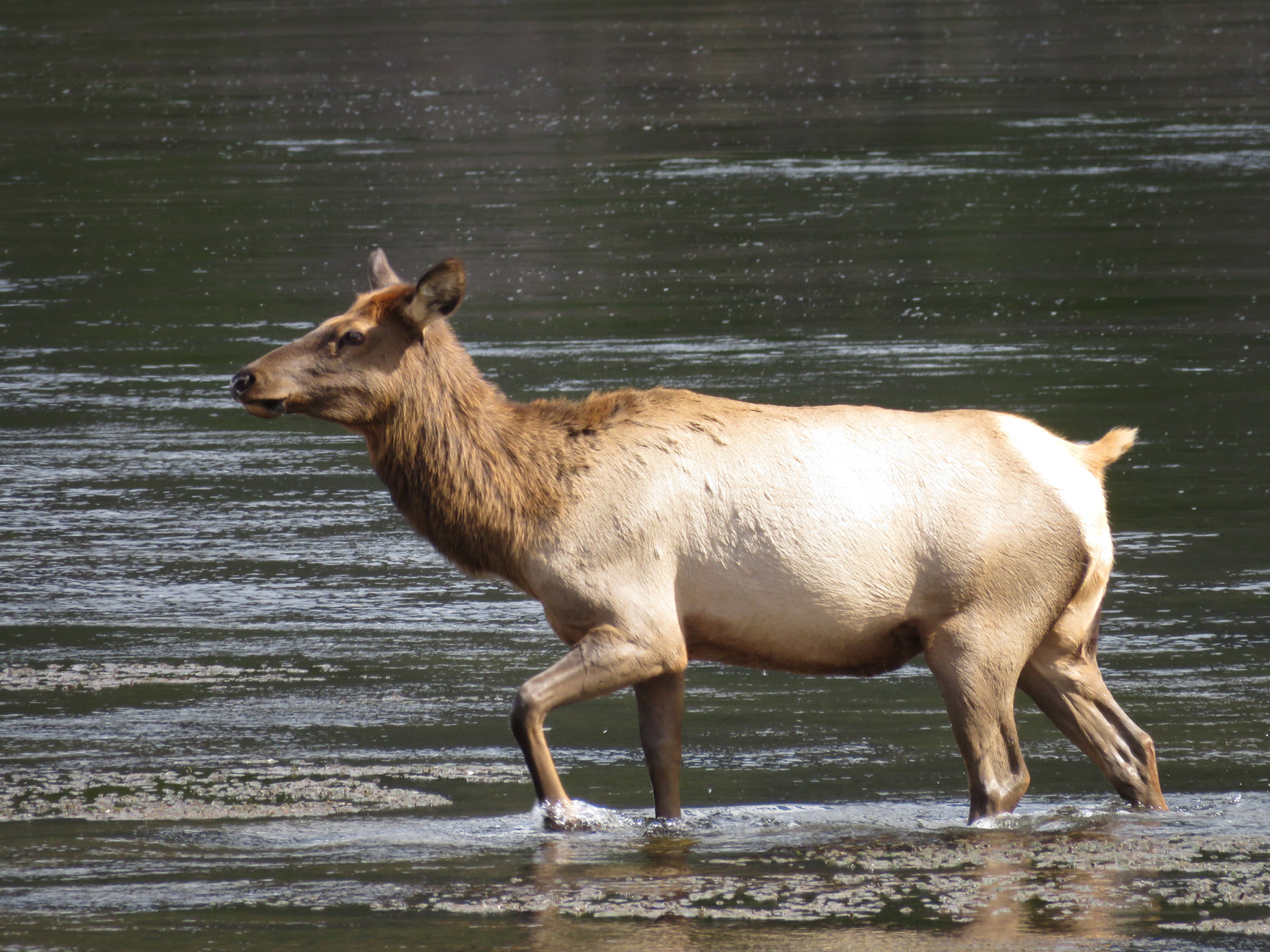
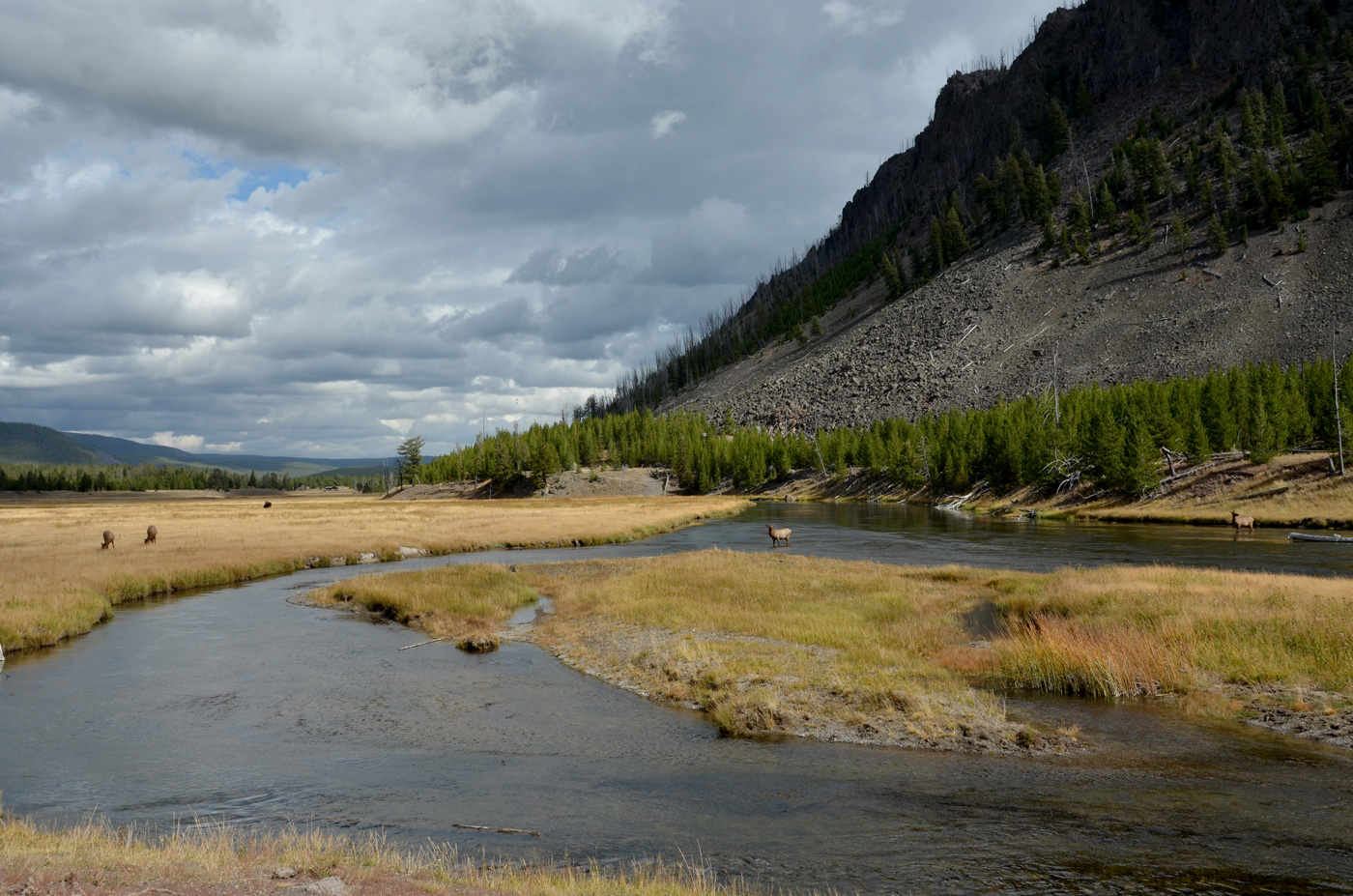
My trip to Montana coincided with the cooling fall winter that heralds subzero temperatures and snow to come. Winter drops a curtain between the robust and the weakened or just weaned. On one side of the curtain, animals move on into the next spring. On the other, they become food for everything from insects and mice to birds, wolves, and bears.
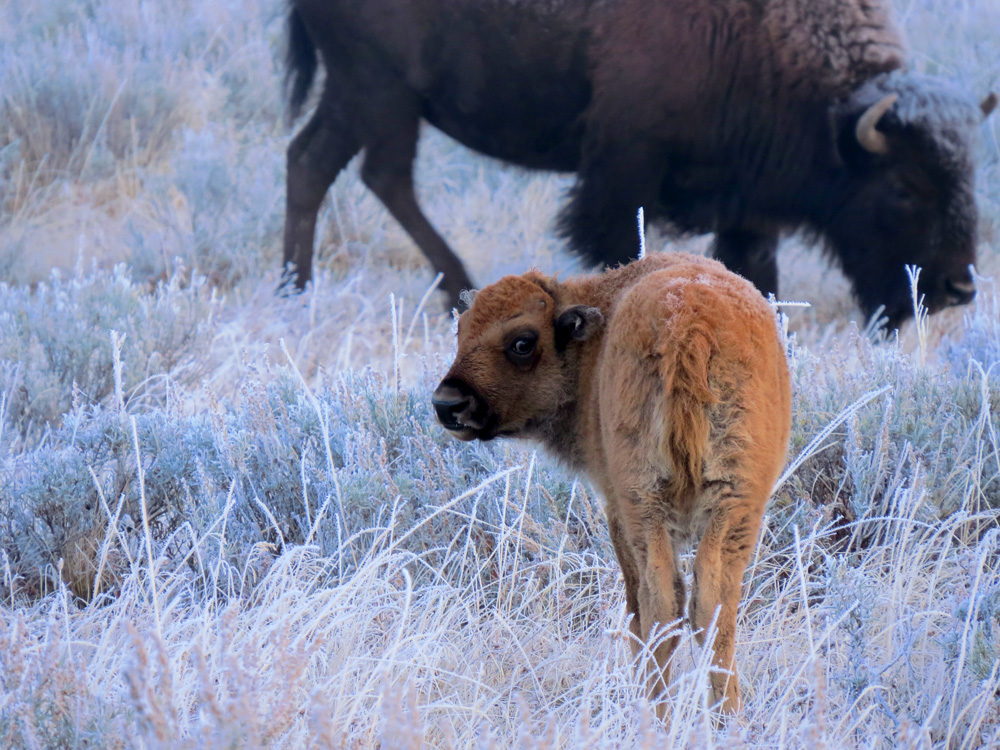
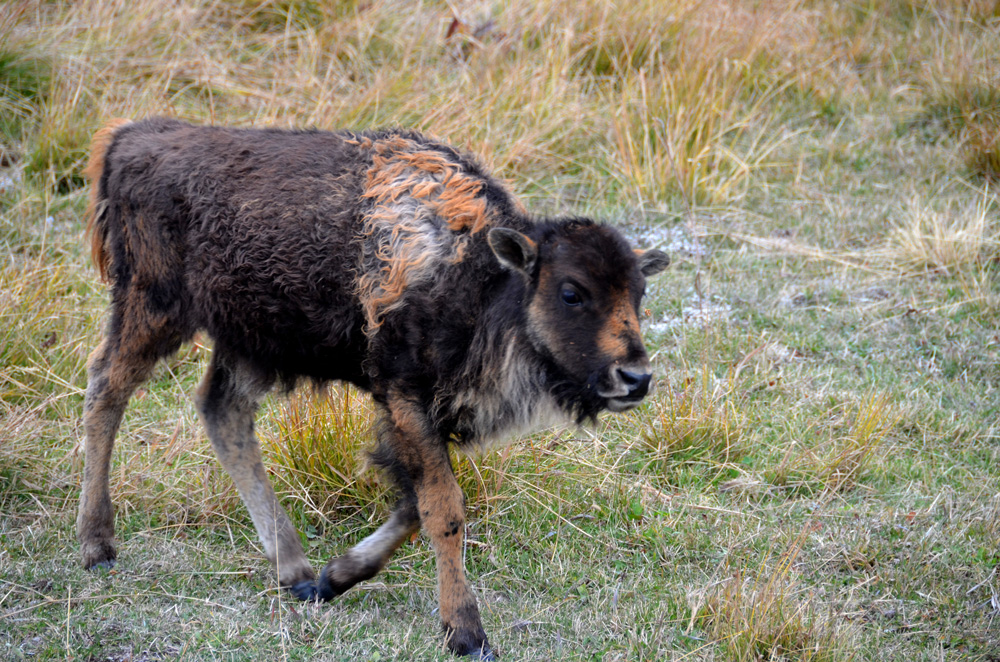
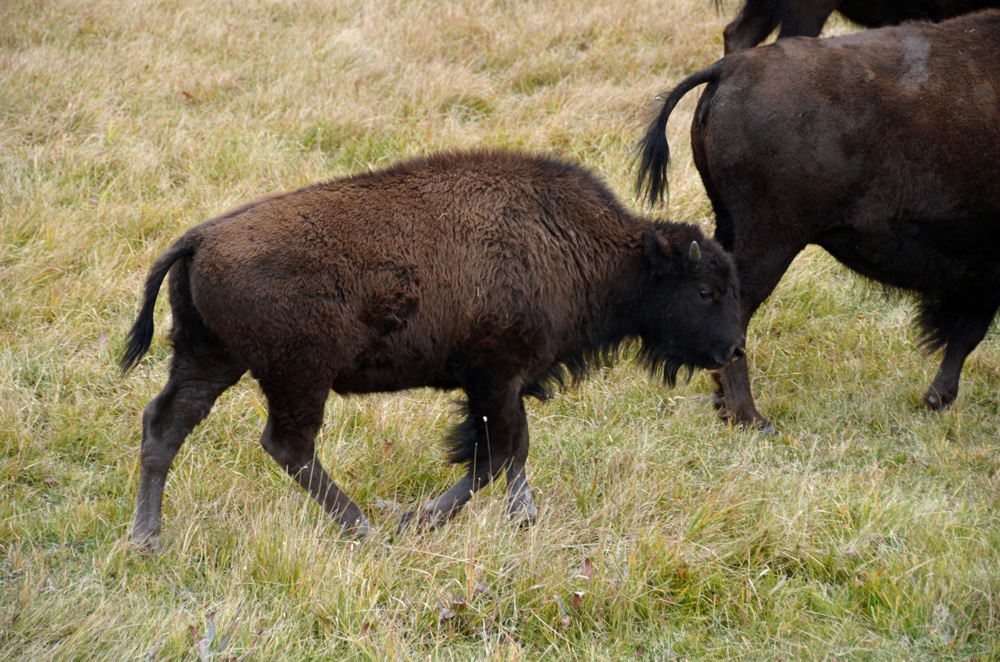
In Yellowstone National Park, I saw for the first time in several trips young bison calves in late fall. I have a pasture-bred horse that was born late August in Idaho, which isn’t optimal. His mother likely “threw” the first fetus and rebred too late the previous year. He made it, and is 20 years old now, but these young bison calves may not. They will not benefit from human intervention in the way that my horse did.
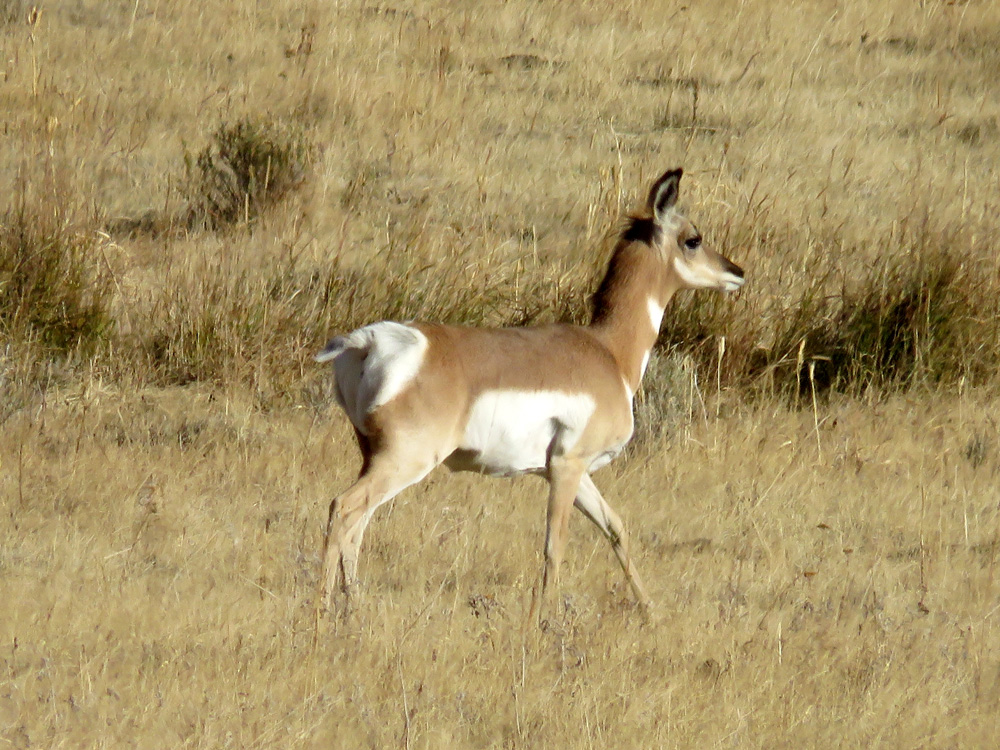
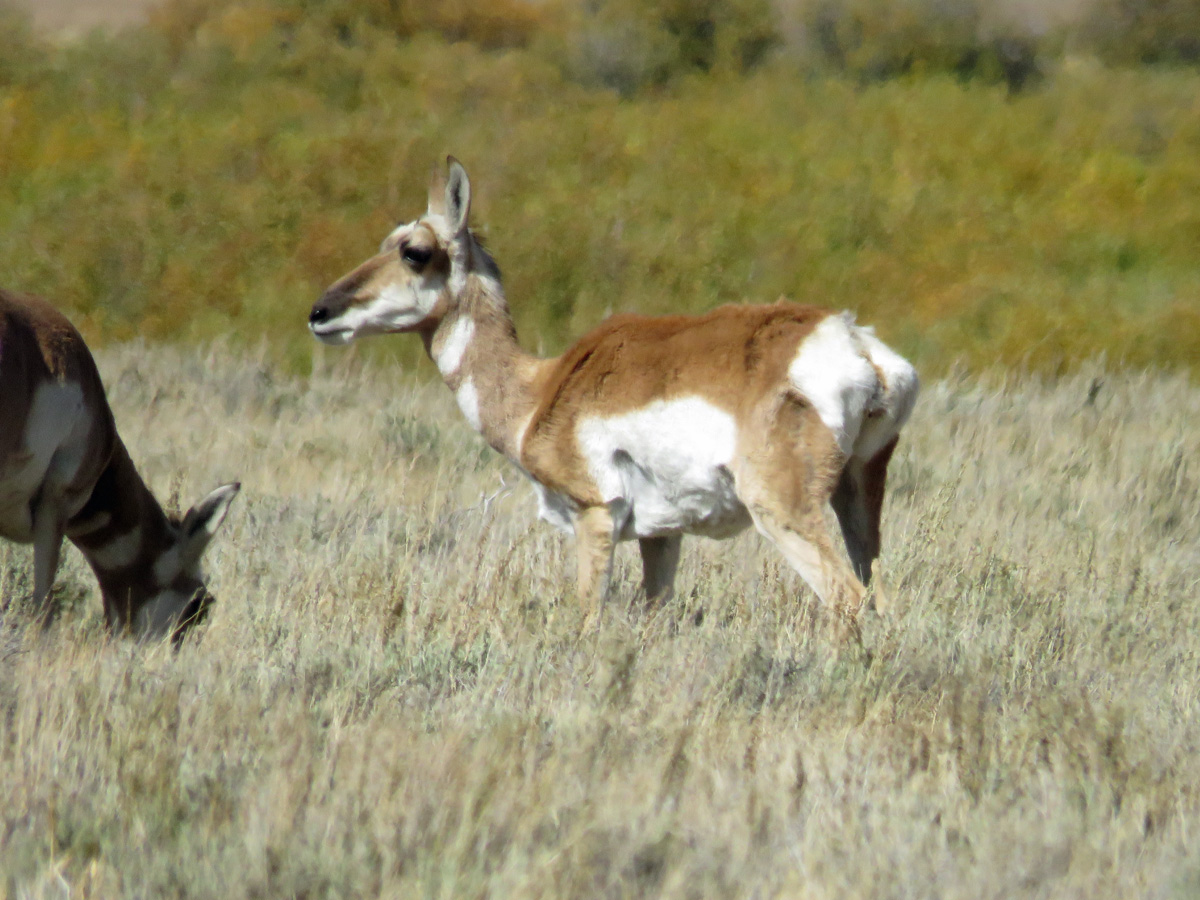
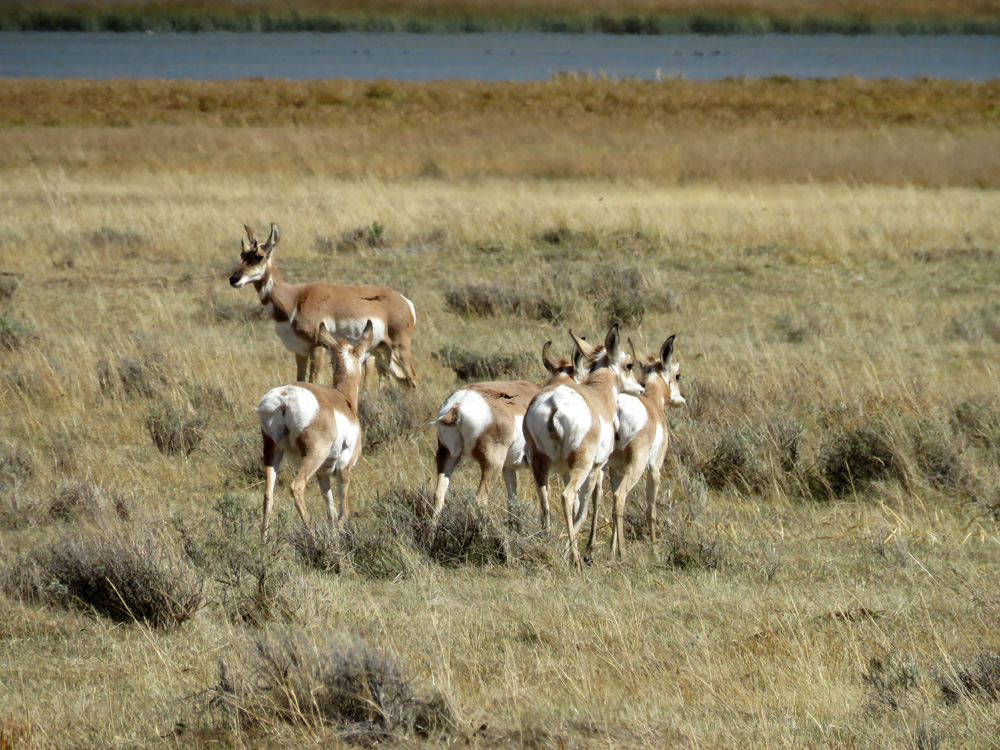
On a trip to Red Rock Lakes Refuge, I found a decent herd of pronghorn antelope leaping around the grasslands crossed by the road. When one that was lying down stood, I gasped to see its condition- no body fat, and a withdrawn look that says the animal is giving up and preparing to die.
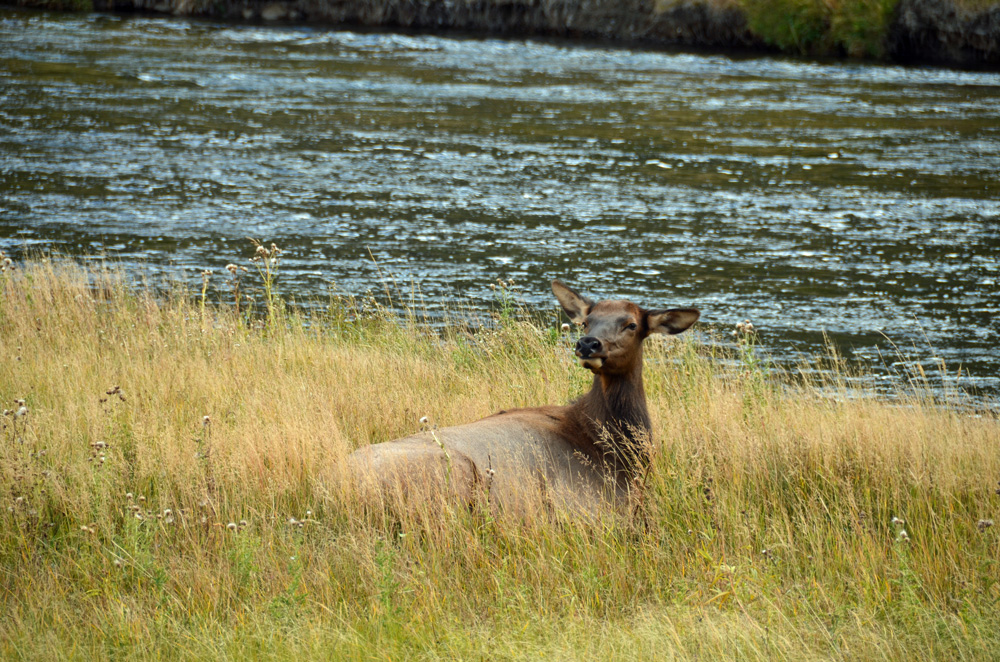
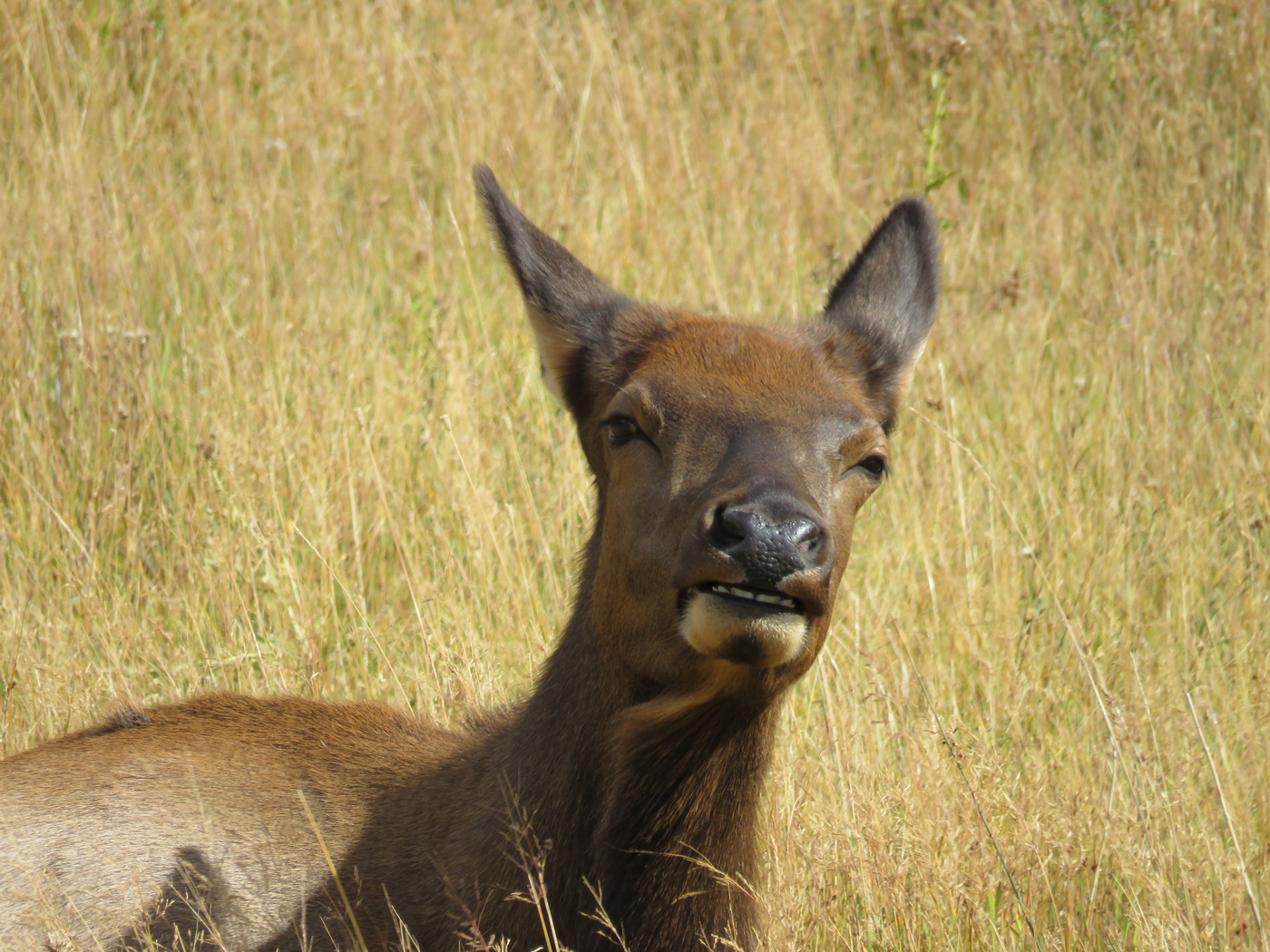
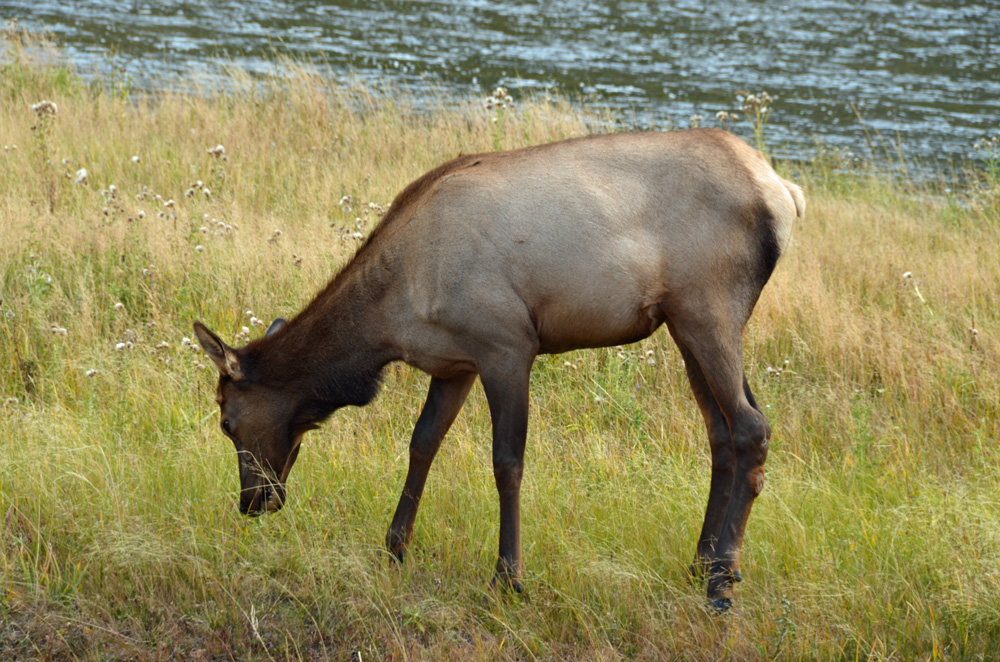
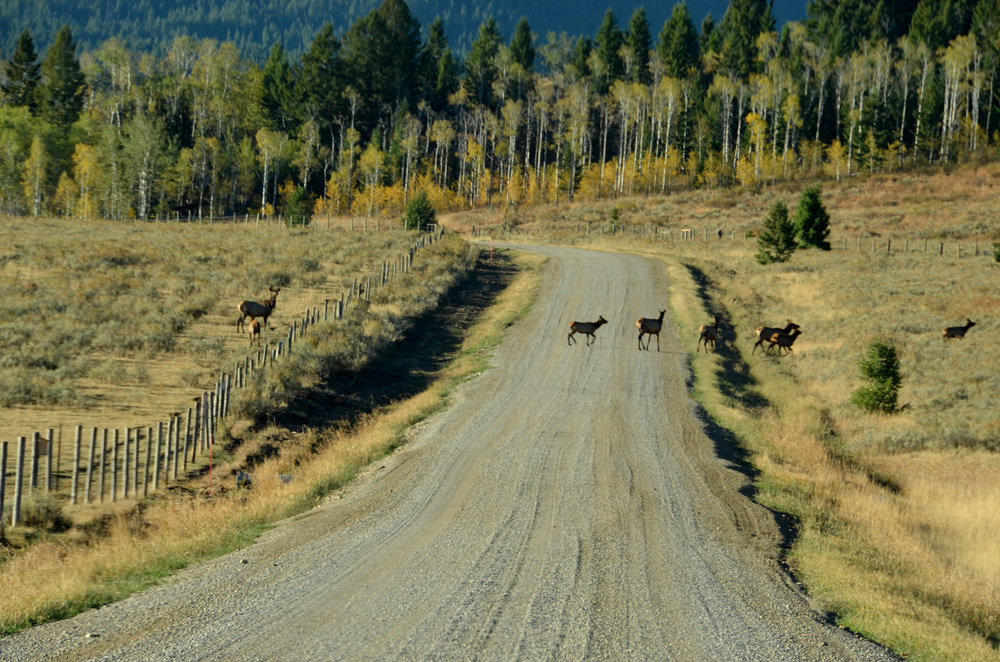
Something different happens when we’re out wildlife watching. We want to see animals frolicking wild and free in nature. We want to feel hope for wildlife. It’s hard to watch suffering and death. Maybe the sympathy we want to feel for the sometimes hateful human race gets subverted as we gaze on sick and injured animals. Maybe it’s the same gut-wrenching sadness we feel when children, the elderly, and disabled people suffer.
At least with wildlife, we can take comfort knowing that there is a circle of life. The emaciated pronghorn will feed the food chain. Wolves and bears may survive the winter on bison too young and too old to make it through. It’s not the end: the rest of the herd, and the beneficiaries of death will make it through to the other side.

 A Place of River and Sky
Leave a comment